
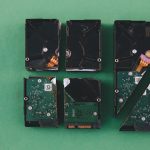

IT assets are essential for any organization, regardless of industry. As technology advances, the need to continually update IT assets becomes increasingly pressing. In the rush to modernize IT infrastructure, organizations often take the easy route by simply replacing outdated devices with new ones.
This approach saves time, but it challenges critical factors such as cost, security, efficiency, and environmental sustainability.
Consider this:
How does discarding a device because its technology is outdated help you realize its full value? How can you ensure that all data stored on that device remains secure when you decide to dispose of it? And what about the growing problem of electronic waste that harms the environment?
So, what can be done?
The answer lies in understanding IT Asset Disposition (ITAD) and value recovery.
What is ITAD?
In simple terms, IT Asset Disposition (ITAD) refers to the safe and environmentally responsible disposal of obsolete IT devices. The terms “safe” and “environmentally conscious” are crucial, as ITAD aims to protect organizations from data breaches, maximize the value of retired assets, and reduce electronic waste. ITAD is not just about getting rid of old technology; it’s about extracting maximum value from these assets while ensuring data security and compliance. Partnering with certified ITAD providers is essential for proper asset handling throughout the disposition process.
As technology continues to evolve rapidly, the significance of effective ITAD practices will only increase. Organizations that excel in value recovery will not only enjoy financial benefits but also position themselves as responsible corporate citizens in an environmentally aware world.
The Purpose of ITAD
A strong ITAD strategy aims for optimal value recovery from your assets. Value recovery refers to recouping as much financial value as possible from retired IT assets, often through resale, refurbishment, or recycling. The goal is to turn what may be seen as a liability into a potential source of revenue or cost savings.
To illustrate the importance of proper ITAD measures, consider that inadequate data wiping during ITAD can lead to sensitive information falling into the wrong hands. According to an IBM study, the average cost of a preventable data breach in 2023 was $4.35 million.
Moreover, a Technavio report suggests that the global market for IT asset refurbishment will reach $88.2 billion by 2025.
Implementing Effective ITAD
To implement proper ITAD in your organization, consider the positive effects of efficient IT Asset Management (ITAM) practices and tools like Teqtivity.
Why is IT Asset Management Crucial?
Effective IT asset management ensures compliance, reduces the risk of penalties, and enhances operational efficiency and security. This strategic approach provides insights into asset usage, streamlines processes, and supports long-term resilience. Robust ITAM practices are essential for maintaining a competitive edge and safeguarding your organization’s future.
Given the integral role of IT assets, ITAM has become vital for their smooth operation. ITAM tools like Teqtivity can significantly aid ITAD, especially since Teqtivity integrates with leading ITAD providers such as Revivn, Wisetek, and ERI Direct.
How ITAM Assists ITAD
- Effective Tracking: ITAM tracks the entire lifecycle of IT assets, enabling managers to determine the optimal timing for asset disposition and avoid unnecessary costs.
- Data Destruction: To mitigate data breach risks, regulations like NIST and DOD are in place. ITAM tools ensure compliance, and Teqtivity’s integration with certified ITAD providers guarantees accurate record keeping.
- Optimizing Procurement: ITAM insights enable better decision-making by identifying underutilized assets, thus preventing unnecessary purchases and ensuring effective use of all IT resources.
- Chain of Custody: ITAM documents and tracks IT assets from procurement to disposal, establishing a clear chain of custody that enhances data security and compliance, even when third-party ITAD vendors are involved.
- Environmental Compliance: ITAM ensures responsible asset disposal, adhering to regulations like the WEEE Directive by managing the recycling process.
Conclusion
Maximizing ITAD value recovery is not just about extracting the last dollar from old equipment; it involves a holistic approach to IT asset management that considers the entire lifecycle of technology investments. By prioritizing data security, exploring refurbishment opportunities, committing to sustainable recycling, and partnering with the right ITAD provider, organizations can transform IT asset disposition from a necessary expense into a strategic opportunity.