

In a world where IT assets have become such an integral part of running a business regardless of the industry, it goes without saying that it is quite important to understand the entire concept of an IT asset’s lifecycle.
We often assume that managing an IT infrastructure just involves buying, using, and eventually disposing of those assets. Well, as you might have guessed by now, it goes beyond that, and there is a significant importance in effectively managing the entire lifecycle of IT assets, namely, cost savings, compliance, and sustainability.
This is where the most trusted IT Asset Management approach guides us through the proper and right lifecycle management.
IT Asset Lifecycle
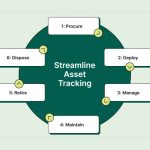
To explain what the IT Asset Lifecycle is, think of it like the story of a hardworking team member, starting from the moment it’s chosen to join the organization to the day it’s retired. It begins with planning and acquisition, where businesses identify the need for the asset—a laptop, server, or software—and carefully decide on the best fit based on budget, compatibility, and scalability. Once the asset arrives, it enters the deployment phase, where it’s installed, configured, and integrated into the existing environment. Think of this as onboarding, ensuring it’s set up for success and ready to perform its role. During the active use phase, the asset becomes a critical part of operations, contributing to daily tasks while being monitored and maintained to ensure peak performance. Regular updates, patches, and support, like ongoing employee training, keep it running smoothly. Over time, the asset may need maintenance or upgrades, akin to giving it a productivity boost to extend its usefulness. Eventually, as technology evolves or the asset’s capabilities are outgrown, it reaches the retirement stage, decommissioned, with sensitive data securely wiped and evaluated for potential repurposing, resale, or recycling. Proper disposal is the final step, ensuring it’s handled responsibly to minimize environmental impact and compliance risks. By managing this lifecycle strategically, organizations maximize the value of their IT investments while promoting sustainability and efficiency. Every stage matters in ensuring that the asset delivers its best during service.
Now, we will break these stages down into more detail.
Planning and Acquisition
Identify Business Requirements – Understand the organization’s operational needs to determine the type of IT asset required. This could include functionality, performance, scalability, and compatibility with existing systems. For instance, a team needing graphic-intensive software will require high-performance laptops with dedicated GPUs.
Budget for the Asset—Estimate the total cost, considering the initial purchase price and long-term expenses such as maintenance, upgrades, and disposal. This ensures that financial planning aligns with both immediate and future organizational goals.
Select Vendors or Leasing Options – Evaluate potential vendors based on pricing, product reliability, and post-purchase support. Compare leasing versus purchasing options. Leasing might offer flexibility and reduced upfront costs, while buying ensures complete ownership.
Purchase or Lease the Asset—Finalize the acquisition through procurement. Negotiate terms, secure warranties, and confirm SLAs (Service Level Agreements) to ensure supplier accountability.
Deployment and Integration
Install Hardware and Software – Set up the physical hardware, connect peripherals, and install the required software, including operating systems and productivity tools.
Configure Settings and Applications – Customize settings to meet organizational policies, such as network configurations, user permissions, and security protocols.
Train Users for Optimal Utilization – Provide training sessions or manuals to ensure employees understand how to use the asset effectively. This reduces downtime and boosts productivity.
Integrate the Asset into Existing Systems—To prevent workflow interruptions, ensure seamless compatibility with other IT systems, such as databases or collaborative tools.
Active Use and Operations
Monitor Performance and Usage – Use ITAM tools to track asset health, identify underutilized resources, and resolve issues proactively.
Apply Regular Software Updates and Patches—Update operating systems and applications as needed to keep the asset secure and functional.
Provide User Support for Troubleshooting – Maintain a responsive helpdesk to address user issues quickly, ensuring minimal disruption to operations.
Ensure Compliance with Security Protocols – Regularly audit the asset to confirm adherence to organizational and regulatory security standards.
Maintenance and Upgrades
Conduct Routine Maintenance Checks – Perform regular diagnostics to identify potential issues, clean hardware components, and verify software efficiency.
Perform Necessary Repairs or Replacements – Address any damaged or malfunctioning components promptly to maintain operational continuity.
Upgrade Hardware or Software for Efficiency – Replace outdated hardware parts or enhance software capabilities to ensure compatibility with evolving needs.
Extend Asset Lifespan When Feasible – Implement best practices for handling and care to maximize the asset’s usable life.
Decommissioning
Remove the Asset from Active Use – Identify and retire assets that have reached the end of their lifecycle, ensuring they no longer interact with active systems.
Securely Wipe Data to Prevent Breaches – Use certified tools and methods to erase sensitive data before disposal or repurposing to maintain security.
Assess the Potential for Redeployment or Reuse – Evaluate whether the asset can be refurbished or redeployed to another department or purpose.
Disposal or Redeployment
Resell, Donate, or Recycle the Asset Responsibly – Depending on the asset’s condition, consider resale for cost recovery, donation to a charitable organization, or recycling to reduce e-waste.
Partner with Certified E-Waste Recyclers – Work with certified vendors to ensure eco-friendly disposal while adhering to legal and environmental standards.
Comply with Environmental and Data Regulations – Follow GDPR, HIPAA, and local environmental laws to ensure proper asset disposal without legal risks.
Analysis and Insights
Review Lifecycle Performance Data – Collect and analyze the asset’s performance, maintenance costs, and operational efficiency to identify patterns.
Use Insights for Better Future Acquisitions – Leverage past experiences to refine purchasing strategies, select reliable vendors, and improve decision-making.
Optimize Processes to Reduce Lifecycle Costs – Implement predictive maintenance, improved tracking, and streamlined decommissioning to cut costs and enhance efficiency.
This structured approach ensures IT assets are managed efficiently, delivering maximum value and minimizing risks across their lifecycle.
The importance of IT Asset Lifecycle Management
An effective IT asset lifecycle management strategy is essential for organizations because it ensures the optimal use, maintenance, and disposal of IT assets while aligning with business goals. It brings forward the best ITAM practices that provide the most efficient use of your assets. Here are the key reasons why ITALM is essential:
Maximizes Return on Investment (ROI) – Organizations can maximize the value derived from IT investments by efficiently managing every stage of an asset’s lifecycle. Regular maintenance, timely upgrades, and thoughtful redeployment extend the asset’s lifespan, reducing the need for frequent replacements.
Enhances Operational Efficiency—Effective ITALM ensures that assets are deployed, configured, and maintained to meet operational requirements seamlessly. It minimizes downtime by enabling proactive monitoring and maintenance, ensuring that systems and users can perform without interruptions.
Reduces Costs – Proper lifecycle management prevents unnecessary expenditures by:
- Reducing unplanned repairs through regular maintenance.
- Eliminating redundant purchases by optimizing existing assets.
- Leveraging resale or recycling opportunities for retired assets.
Strengthens Security and Compliance – ITALM ensures that security protocols are upheld at every stage, from secure deployment to data wiping during decommissioning. This minimizes risks like data breaches or non-compliance with regulations (e.g., GDPR, HIPAA).
Improves Decision Making – A well-documented asset lifecycle provides valuable usage, performance, and cost data. This data empowers decision-makers to identify trends, predict future needs, and refine purchasing strategies.
Supports Sustainability Goals – Responsible disposal and recycling of IT assets reduce e-waste and contribute to an organization’s environmental commitments. ITALM aligns with corporate social responsibility (CSR) initiatives and green IT practices.
Mitigates Risks – By tracking the entire lifecycle, organizations reduce risks related to:
- Loss or theft of assets.
- Incomplete data wiping during disposal.
- Non-compliance with asset-related regulations.
Aligns IT with Business Goals – An effective ITALM strategy ensures that IT assets are aligned with the organization’s broader business objectives. It helps scale operations efficiently, supports innovation, and provides IT remains a strategic enabler.
The Role of ITAM and ITAM Tools in Lifecycle Management
The role of IT Asset Management (ITAM) in IT asset lifecycle management is pivotal as it provides the structure, tools, and processes to manage IT assets effectively throughout their lifecycle. Below is how an effective ITAM tool like Teqtivity contributes at each stage:
Planning and Acquisition
- Asset Identification – Proper ITAM strategies help define the organization’s exact needs, ensuring only necessary assets are acquired.
- Vendor Management – Teqtivty features include integrations with various suppliers: You can easily track purchases or leases in real-time, ensuring all new and existing assets are always accounted for.
- Cost Optimization – ITAM offers insights into budget forecasting by analyzing historical data and predicting Total Cost of Ownership (TCO)
Deployment and Integration
- Inventory Management – As mentioned, Teqtivity provides useful features for tracking new assets, ensuring they are documented and tagged as part of the organization’s inventory.
- Assignment – Teqtivity lets you allocate assets to the right users or departments, avoiding deployment delays and redundancies.
Active Use and Operations
- Monitoring and Tracking – Teqtivity will provide real-time asset performance, utilization, and health tracking.
- Compliance Enforcement – It also monitors asset usage to ensure compliance with software licenses, security policies, and regulations.
- Support Management – With Teqtivity, you can log support tickets and asset-related issues, creating a central repository for troubleshooting data.
Maintenance and Upgrades
- Proactive Maintenance –You can customize Teqtivity’s features and notifications to send you timely and real-time alerts and updates on scheduled regular maintenance, which leads to effectively reducing downtime and extending asset lifespans.
- Lifecycle Insights –The active performance indicator by Teqtivity helps you easily identify assets approaching end-of-life or requiring upgrades.
Disposal or Redeployment
- E-Waste Compliance – Teqtivity provides easy integrations with leading ITAD companies to ensure you can dispose of your IT assets that have reached their End of Life sustainably and responsibly. The integrations eliminate the need to manually upload certificates of data destruction for each asset individually. Additionally, you can keep track of all scheduled pickups, status, and data wipe confirmation, ensuring you always maintain an accurate and real-time record of your assets’ entire lifecycle.
In conclusion, managing the lifecycle of IT assets is crucial for maximizing their value, enhancing operational efficiency, and promoting sustainability. Organizations can streamline processes, ensure compliance, and make data-driven decisions by adopting structured IT asset lifecycle management practices and leveraging advanced ITAM tools like Teqtivity. This holistic approach minimizes risks and aligns IT operations with broader business goals, enabling organizations to thrive in a competitive landscape. Effective lifecycle management is the cornerstone of sustainable and efficient IT asset utilization.